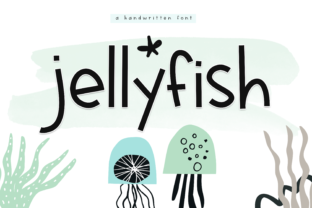
Jellyfish: A Whimsical Display Font for Creative Projects
Capturing a sense of child-like wonder in design work is a genuine challenge. You want a typeface that feels fun and approachable without crossing the line into looking unprofessional or juvenile. The Jellyfish typeface manages this balance beautifully. It is a display font defined by its youthful charm and bouncy, organic character. Unlike rigid geometric typefaces, Jellyfish offers a soft, rounded aesthetic that immediately warms up a layout. For designers and content creators looking to inject personality into their work, this font serves as a versatile asset that bridges the gap between playful whimsy and clean modern typography.
The Visual Personality of the Jellyfish Typeface
When you look at the Jellyfish font, the first thing you notice is its inherent softness. It avoids sharp corners and harsh angles, opting instead for smooth, flowing strokes that mimic the natural movement of its namesake creature. The characters feature slightly varied baselines and widths, giving the text a handmade quality. This irregularity is intentional; it prevents the font from feeling sterile while maintaining high legibility. The design feels like a premium font that has been carefully crafted to balance artistic flair with functional consistency. It sits comfortably in the realm of modern typography but retains a distinct, quirky edge that sets it apart from standard sans serif or serif options.
The visual weight of Jellyfish is generally medium, making it an excellent choice for headlines and subheadings where you need impact without overwhelming the viewer. It works particularly well in larger sizes where the unique details of the letterforms can shine. While it is not a script font in the traditional sense, it carries a fluidity that feels connected, almost like a friendly handwritten font that has been refined for commercial use. This makes it a standout choice for projects that require a touch of warmth and humanity.
Strategic Applications for Branding and Marketing
Choosing the right typeface is a strategic decision that influences brand perception. The Jellyfish font excels in environments where engagement and approachability are key. For entrepreneurs and small business owners, particularly those in lifestyle, education, food, or children’s markets, this font can become a cornerstone of a strong brand identity. Using Jellyfish in your logo design can instantly signal that your brand is friendly, creative, and accessible. It tells the audience that you value creativity and don’t take yourself too seriously, which can be a powerful differentiator in crowded markets.
Beyond logos, the font proves its versatility across various design assets. In packaging design, Jellyfish can help products pop off the shelf. Imagine a coffee brand or a boutique soap company using this font for their labels; it adds a layer of artisanal charm that attracts attention. For social media graphics, where capturing attention in a split second is crucial, the distinct style of Jellyfish stops the scroll. It is perfect for quotes, announcements, and call-to-action overlays because it is instantly readable and visually engaging.
However, context matters. Because it is a display font, Jellyfish is not designed for long blocks of body copy. Using it for a 500-word blog post would likely cause eye strain due to its decorative nature. Instead, reserve it for high-impact areas: headers, pull quotes, and feature titles. Pairing it with a clean, neutral sans serif font for body text creates a balanced visual hierarchy. This contrast allows the personality of Jellyfish to shine in the headlines while the supporting text remains easy to scan, ensuring your message is communicated effectively.
Practical Guidance for Designers and Creators
Integrating a creative font like Jellyfish into your workflow requires a thoughtful approach to font pairing. To avoid visual clutter, steer clear of pairing it with other highly stylized fonts like a complex script font or a heavy serif font. Instead, look for a sans serif font with a neutral personality. Fonts with open apertures and simple geometric forms often work best alongside Jellyfish, as they provide a clean canvas that lets the display font’s character stand out. This technique is fundamental in editorial design and web design, where readability and aesthetic balance are paramount.
When evaluating if this typeface fits your project, consider your target audience. While Jellyfish appeals to adults, its youthful charm resonates particularly well with audiences looking for creativity and positivity. It is an excellent choice for web design headers, especially for creative portfolios, blogs, and e-commerce sites selling unique goods. It also performs exceptionally well in print materials like flyers, greeting cards, and posters where you want to evoke a specific mood.
Before finalizing your design, always test the font in context. Check how the Jellyfish typeface renders on different screen sizes if you are designing for digital platforms. Ensure that the letter spacing (tracking) is appropriate; sometimes playful fonts benefit from slightly looser spacing to enhance legibility. If you are using this for a client project or commercial application, verify the licensing terms. As a commercial font, it is essential to ensure your license covers the specific usage rights you need, whether for a single logo or a widespread marketing campaign.
Final Thoughts on Using Jellyfish
The Jellyfish font is more than just a whimsical typeface; it is a tool for storytelling. It allows designers, marketers, and hobbyists to break away from the monotony of standard corporate fonts and inject genuine emotion into their work. By using Jellyfish strategically, you can create designs that feel alive, inviting, and memorable. Whether you are crafting a new brand identity, designing a children’s book, or building a vibrant website, this font offers a reliable way to capture that elusive child-like spirit while maintaining a professional standard. It proves that serious design can, and often should, have a little bit of fun.